Undergraduate/graduate student English course
Fall 2024
Dr. Robin Miskolcze
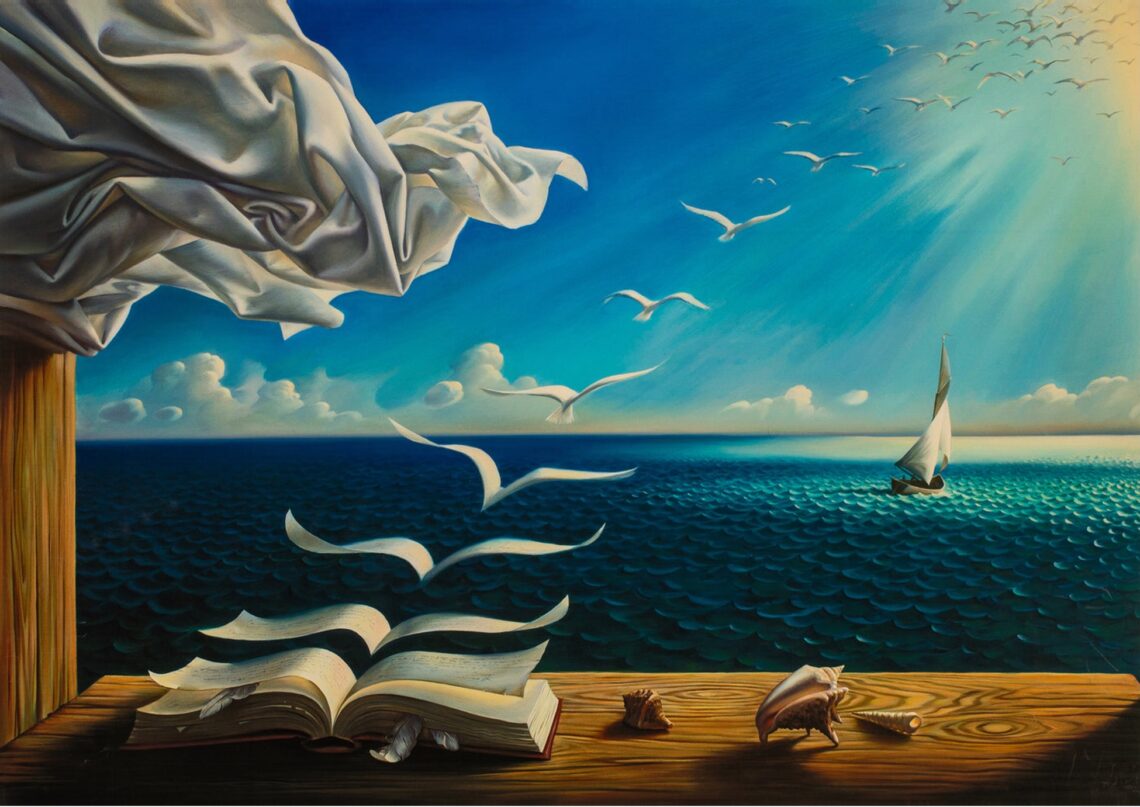
The oceans have profoundly shaped human history and artistic expressions, serving as both a literal and metaphorical conduit for exploration, trade, and cultural exchange. From ancient seafaring civilizations like the Phoenicians and Polynesians to the Age of Exploration, the oceans have been central to cultures around the globe. In literature, the vast and mysterious nature of the sea has inspired countless works, symbolizing everything from the unknown and the sublime to freedom and escape. Homer’s Odyssey and Melville’s Moby-Dick illustrate how the ocean embodies the duality of beauty and peril, reflecting humanity’s endless curiosity and the profound existential questions that accompany our journey through life. Through its boundless expanse and depth, the ocean has become a rich source of inspiration and a powerful force in shaping human experiences and narratives. Yet studying representations of oceans has only recently been foregrounded by oceanic critics as crucial to our socially and ecologically connected histories and futures. If we are to heed the climate crisis, we need to understand and evaluate the stories we tell about the sea so that we can be agents for future change. This class delves into the emergent and multi-disciplinary fields of oceanic studies and blue humanities as we examine fiction and films by diverse authors who portray the ocean, its creatures, and humanity’s relationship with the watery world of the sea. Texts include: Herman Melville’s Moby-Dick, Kate Chopin’s The Awakening, Charles Johnson’s The Middle Passage, the films Moana and Whale Rider, and Omar El-Akkad’s What Strange Paradise as well as critical essays found in the field of oceanic studies and blue humanities.